SEA.AI
Since 2018, SEA.AI has been delivering real-time, reliable alerts to help crews detect and respond to hazards at sea.
Get a quote todayUsing advanced machine vision,SEA.AI detects and classifies floating objects, even those that radar and AIS can’t identify. From buoys and icebergs to marine mammals, persons overboard, debris, containers, and vessels without AIS, SEA.AI provides the extra layer of awareness needed to stay safe.
Their product range includes fully integrated systems that combine optical and thermal sensors with artificial intelligence to enhance safety and security at sea, as well as SEA. AI’s maritime Machine Vision solution, Brain, which is compatible with third-party cameras. SEA.AI systems are designed to quickly detect and identify floating objects, providing the crew with real-time information.
When integrated with TimeZero, SEA.AI becomes part of a unified navigation ecosystem: detections from SEA.AI cameras are displayed directly on the TimeZero chart interface. This fusion of visual intelligence with powerful navigation tools enhances situational awareness and enables quicker, more informed decisions, day or night, in any condition
The technology is available in various versions tailored to the specific needs of recreational, commercial, and governmental vessels, including unmanned surface vehicles (USVs).
EXISTING PRODUCT LINES
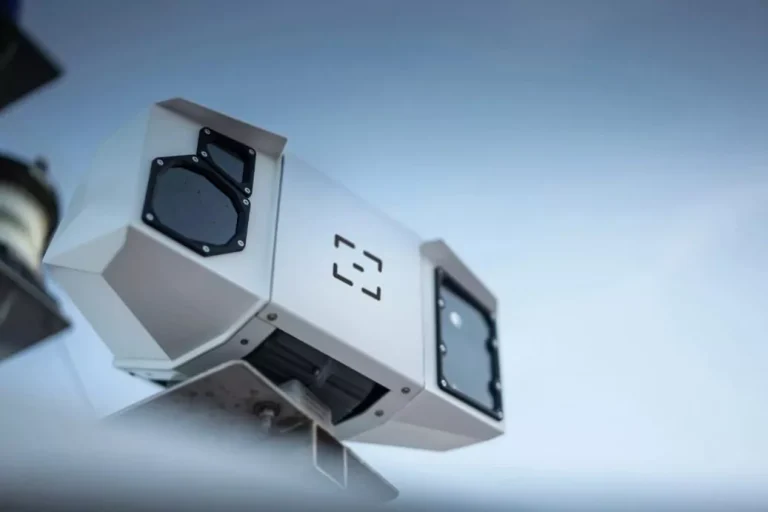
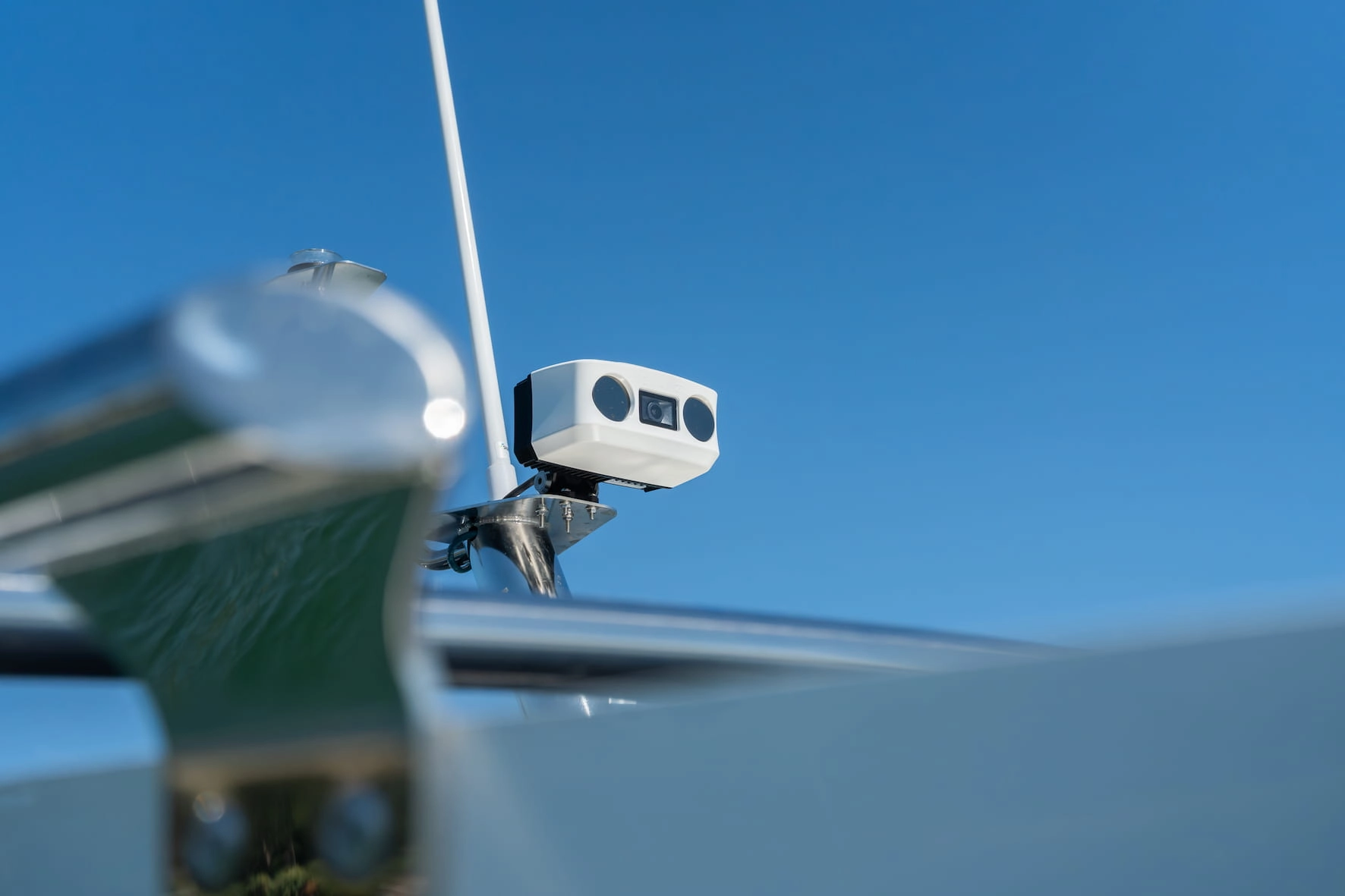
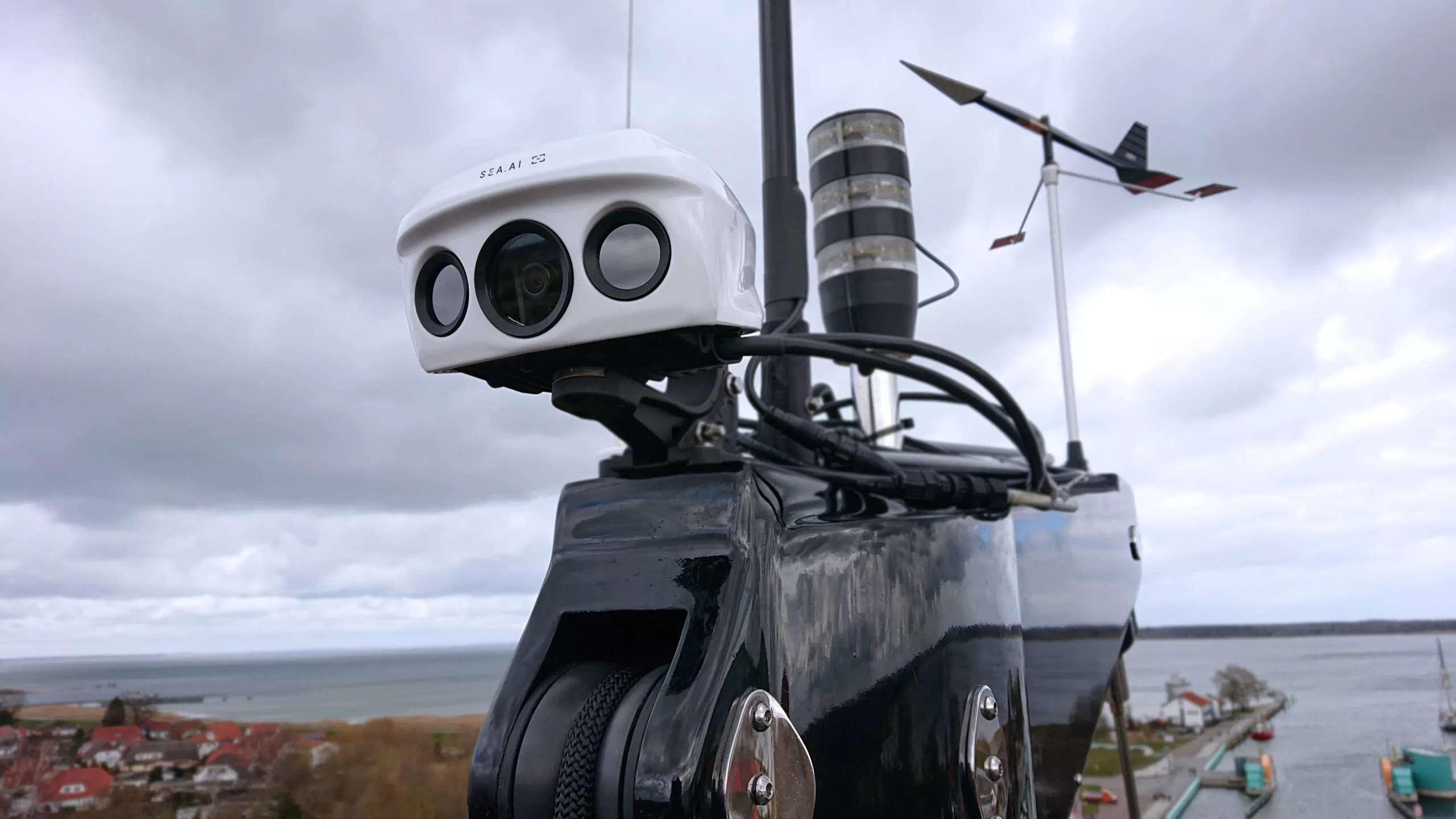
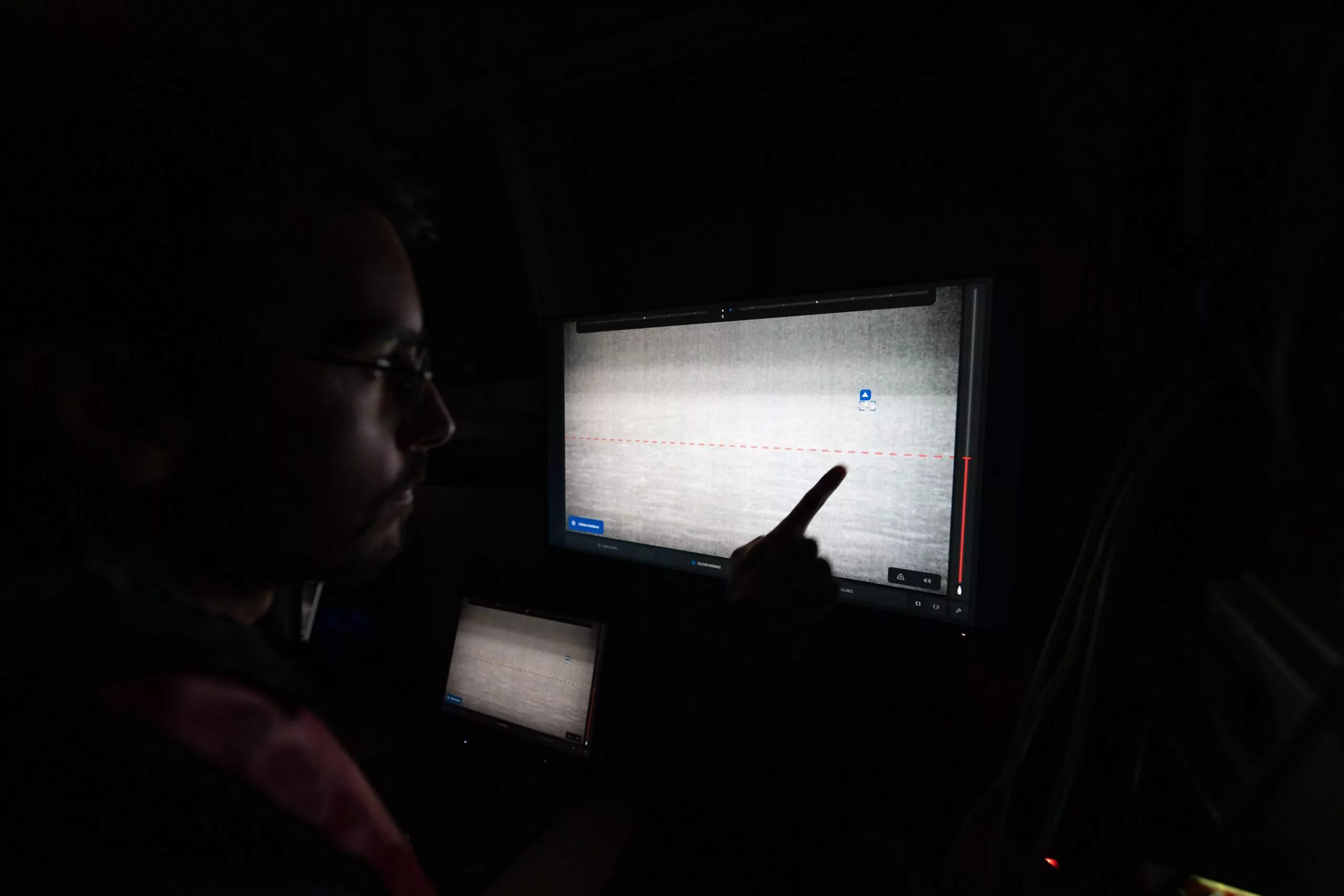
To see video content about their products, visit their YouTube channel
Take advantage of our expertise in your industry
FAQS
What objects can SEA.AI detect?
SEA.AI detects most floating objects on the water surface, regardless of the material (wood, metal, plastic or organic matter).
Typical detections include small crafts without AIS, floating debris, buoys, wildlife, and man-overboard situations. Detection performance varies depending on the SEA.AI model and environmental conditions.
Can SEA.AI detect objects that radar or AIS miss?
Yes. SEA.AI can detect non-cooperative objects that radar or AIS may miss, such as vessels without AIS, low radar-reflective targets (kayaks, paddleboards), floating debris, and people or animals in the water.
Because SEA.AI uses computer vision instead of signal reflection or transponders, it adds an additional safety layer in common blind-spot scenarios.
Can SEA.AI “see” at night?
Yes. SEA.AI systems use thermal imaging to detect heat signatures at night, allowing identification of vessels, people and obstacles in total darkness.
Night performance remains strong even in backlight situations, haze or mild fog, depending on the SEA.AI model installed on the vessel.
What is the difference between SEA.AI and a thermal camera?
A thermal camera only provides an image.
SEA.AI combines daylight and thermal cameras with AI-based computer vision to automatically detect, classify and track floating objects. Instead of manually interpreting an image, SEA.AI actively alerts the crew to potential hazards in real time.
Does SEA.AI “see” in rainy and foggy conditions?
SEA.AI operates in light rain, haze and moderate fog, although the detection range may be reduced.
In heavy rain, dense fog or strong sea spray, performance is limited due to reduced optical visibility, a constraint shared by all vision-based systems.
How far can SEA.AI detect objects?
Detection range depends on the SEA.AI model, the mounting height, the size of the object above the water and the environmental conditions.
Typical detection ranges in optimal visibility:
- Sailing Boat: up to 7,500 m with Sentry, 2,000 m with Offshore/Competition 640, and 1,000 m with Offshore One.
- Man Over Board: up to 700 m with Sentry, 150 m with Offshore/Competition 640, and 100 m with Offshore One.
